
Healthiest Cat Foods: Top Vet-Inspired Choices for Optimal Nutrition
With peace and gratitude, let’s begin.
Between humans and animals exists an unseen but deeply felt bond. Choosing the healthiest cat foods is more than a shopping decision—it’s a daily investment in your cat’s vitality, comfort, and long-term well-being.
Because cats are obligate carnivores, they thrive on high-quality animal protein, balanced fats, and essential nutrients like taurine. In this guide, you’ll find practical top picks plus simple rules to help you choose the right food for your cat’s age, lifestyle, and needs.

Here are top choices designed to support optimal nutrition for your feline friend.
1. Hill's Science Diet Adult Indoor Cat Food
Why It’s Great: Balanced nutrition for indoor cats with a strong focus on digestive health, hairball control, and healthy weight support.
Key Nutrients:
✔ Real chicken as a primary protein source.
✔ Added fiber for digestion and hairball support.
✔ Vitamins, minerals, and antioxidants for immune health.
Best For: Indoor cats and cats prone to hairballs.
2. Blue Buffalo Wilderness High Protein Grain-Free Food
Why It’s Great: High-protein, grain-free formula that suits cats needing strong animal protein and fewer grain-based fillers.
Key Nutrients:
✔ Real meat (often chicken or salmon) as the first ingredient.
✔ Omega-3 and Omega-6 fatty acids for skin and coat health.
✔ Added vitamins and minerals to support overall wellness.
Best For: Active cats and grain-sensitive cats.
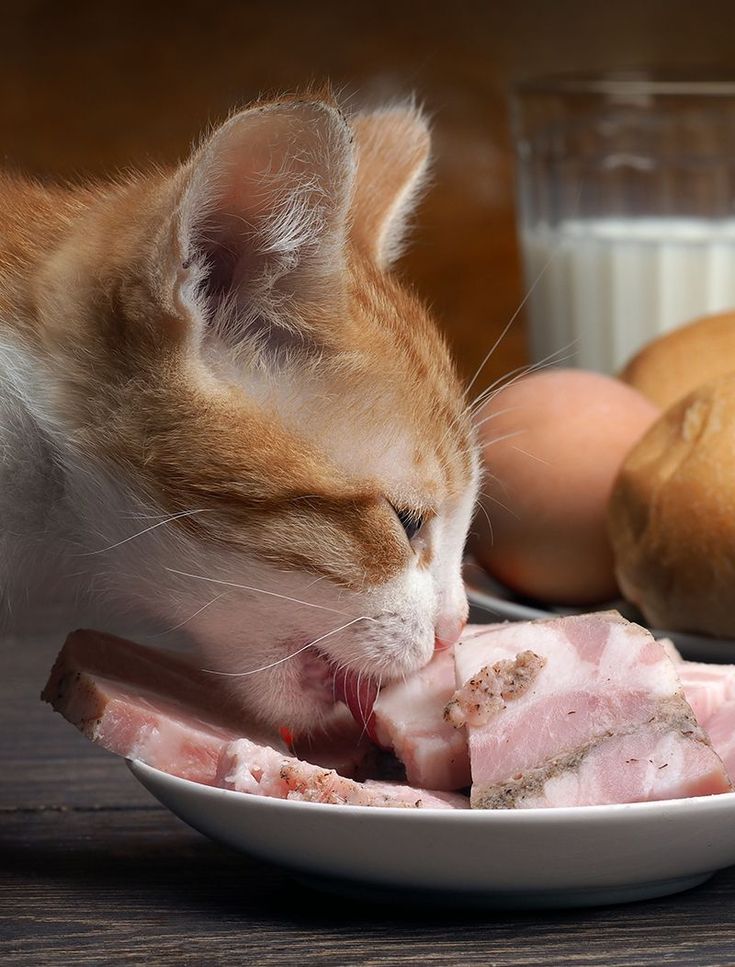
.jpg "Quality ingredients and proper portions make mealtime both nutritious and enjoyable for your cat.")
3. Purina Pro Plan True Nature Grain-Free Formula
Why It’s Great: Real meat first, grain-free approach, and solid nutrition for lean muscle maintenance and everyday energy.
Key Nutrients:
✔ High-quality protein from chicken or fish.
✔ Antioxidants to support immune health.
✔ Essential amino acids to support muscle and coat health.
Best For: Grain-sensitive cats and cats needing lean support.
4. Royal Canin Feline Health Nutrition Indoor Adult Dry Cat Food
Why It’s Great: Designed for indoor lifestyles—supports digestion, helps reduce stool odor, and assists with hairball management.
Key Nutrients:
✔ Moderate fat to help maintain a healthy weight.
✔ Fiber blend for digestion and hairball support.
✔ Balanced vitamins and minerals for skin and immune support.
Best For: Indoor cats and cats with hairball issues.
5. Wellness CORE Grain-Free Indoor Formula
Why It’s Great: Protein-rich, grain-free recipe aimed at supporting healthy weight while preserving lean muscle.
Key Nutrients:
✔ Turkey and chicken as primary protein sources.
✔ Fiber-rich ingredients to support digestion.
✔ Added probiotics and antioxidants for digestive and immune support.
Best For: Indoor cats and cats needing weight support.

6. Instinct Original Grain-Free Recipe with Real Chicken
Why It’s Great: Minimally processed, grain-free, and built around real chicken—often favored by picky eaters due to palatability.
Key Nutrients:
✔ High protein from chicken.
✔ Omega fatty acids for skin and coat health.
✔ Nutrient-dense recipe designed for overall wellness.
Best For: Picky cats and grain-sensitive cats.
7. Merrick Purrfect Bistro Grain-Free Cat Food
Why It’s Great: Grain-free with strong protein focus, enriched with essential vitamins and minerals for everyday health support.
Key Nutrients:
✔ Deboned meat as a primary protein source.
✔ Added taurine for heart and eye health.
✔ No artificial preservatives or grains.
Best For: Cats needing balanced high-protein nutrition.
8. Nutrish Zero Grain Natural Dry Cat Food
Why It’s Great: A grain-free option at a more affordable price point, made with real meat and fortified nutrients.
Key Nutrients:
✔ Real turkey as the main protein in many recipes.
✔ No poultry by-products in many formulas.
✔ Added vitamins, minerals, and taurine.
Best For: Budget-conscious owners and grain-sensitive cats.
How to Identify the Healthiest Cat Foods
1) Look for real animal protein first: The first ingredient should be a named meat (chicken, turkey, salmon), not vague “meat meal” blends.
2) Check the AAFCO statement: Choose foods labeled “complete and balanced” for your cat’s life stage (kitten, adult, senior).
3) Taurine is non-negotiable: Taurine supports heart, vision, and overall health—quality foods include it in proper amounts.
4) Watch the fillers: Too much corn, wheat, or heavy plant fillers can reduce protein quality and add unnecessary calories.
5) Match food to your cat: Indoor cats, active cats, seniors, and cats with sensitivities benefit from tailored formulas.
Quick Comparison (Simple Guide)
Hill's Science Diet Indoor — Best for indoor digestion & hairballs — Protein: Chicken
Blue Buffalo Wilderness — Best for high protein & energy — Protein: Chicken/Salmon
Purina Pro Plan True Nature — Best for lean support — Protein: Chicken/Fish
Royal Canin Indoor — Best for indoor routine & digestion — Protein: Varies by formula
Wellness CORE Indoor — Best for weight support — Protein: Turkey/Chicken
FAQ
Is grain-free cat food always healthier?
Not always. Some cats do well on grain-free diets, especially if they have sensitivities, but the most important factor is overall quality: named animal protein first, complete and balanced nutrients, and a formula that matches your cat’s needs.
Choosing the healthiest cat foods is about honoring your cat’s biology: high-quality animal protein, balanced fats, and essential nutrients that support energy, digestion, immune health, and a shiny coat. When nutrition is right, the difference is visible—steady energy, better stools, fewer hairballs (for many cats), and a cat that simply feels good.
Every cat is unique, and the “healthiest” option is the one that fits your cat’s age, lifestyle, and sensitivities. Introduce new food gradually and consult your veterinarian if your cat has medical conditions or sudden appetite/weight changes.
Feeding well is a quiet act of love that repeats every day. With informed choices, you’re not just offering a meal—you’re building a longer, healthier life by your side. 🐾🥣
We strive for accuracy but cannot guarantee completeness.
We hope this article was helpful — don’t forget to share it with someone who might need it.
✅ Scientific References
- American Association of Feed Control Officials (AAFCO) — Nutritional standards for “complete and balanced” pet foods.
- World Small Animal Veterinary Association (WSAVA) Nutrition Guidelines — Evidence-based guidance for selecting safe, high-quality pet food.
- National Research Council (NRC) — Detailed nutrient requirements for cats (protein, taurine, fatty acids, vitamins, minerals).
- Journal of Feline Medicine and Surgery — Peer-reviewed research related to feline nutrition and health outcomes.